Why Boca Raton and West Boca Feel So Different to Buyers
Why Buyers Read Boca Raton and West Boca as Two Different Worlds
At first glance, the distinction can seem subtle: same city name, same South Florida sunshine, same broad reputation for polished neighborhoods and strong property values. But once buyers start touring homes, driving the streets, and imagining daily life, Boca Raton and West Boca often register as two very different experiences. One tends to feel more coastal, established, and prestige-forward; the other often comes across as more spacious, family-oriented, and rooted in practical livability. That contrast matters because real estate decisions are rarely just about square footage—they are about rhythm, identity, and where someone feels most at home.
For many house hunters, the eastern side of Boca Raton delivers the classic image they have in mind: closer access to the beach, more mature landscaping, a stronger sense of walkable convenience in select pockets, and neighborhoods that often carry a distinctly refined, legacy feel. Buyers coming from urban or coastal markets usually notice that atmosphere right away. They talk about charm, proximity, and the ability to move from a morning by the water to lunch, errands, or social plans without feeling disconnected from the center of things.

That eastern appeal is not only emotional; it also shows up in the housing stock. Closer-in Boca often includes a mix of luxury estates, waterfront properties, country club communities, updated ranch homes, and architecturally distinct residences on smaller but highly coveted lots. Buyers who prioritize prestige, shorter drives to the ocean, or a more established ambiance are often willing to trade some yard size or newer construction for that location advantage. In their minds, east Boca feels like a lifestyle purchase as much as a home purchase.
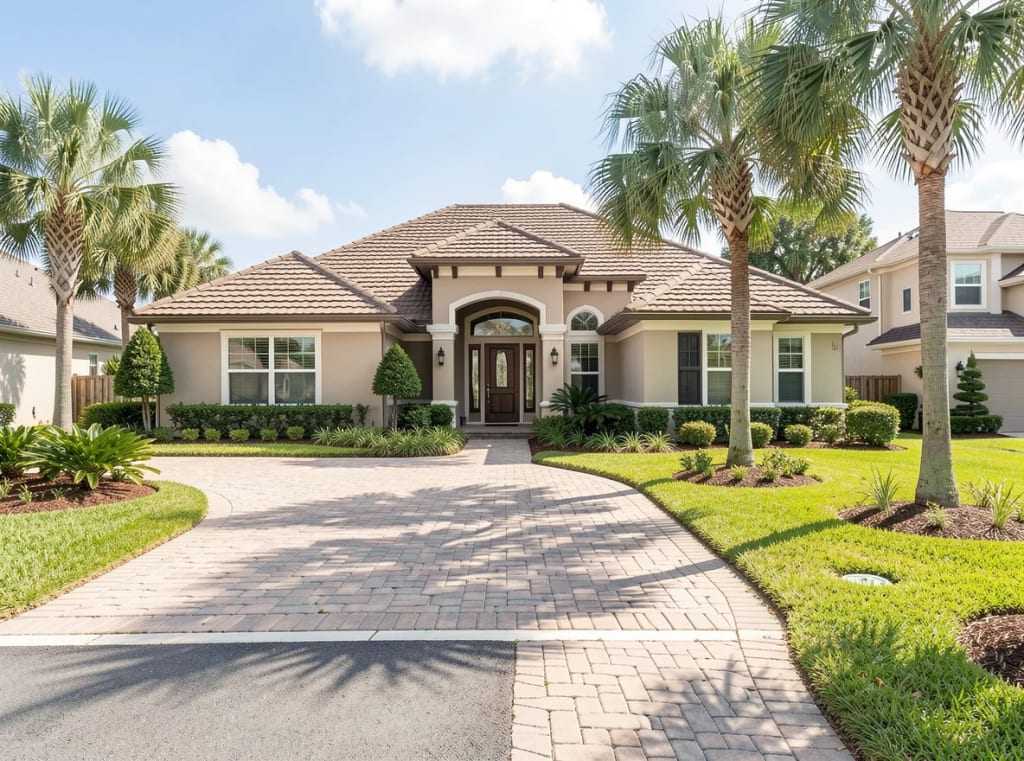
West Boca, by contrast, often wins people over with breathing room. Streets can feel wider, communities newer or more uniformly planned, and homes frequently offer larger footprints, more generous lots, and amenities that align with everyday family life. Buyers with children, multigenerational households, or work-from-home needs often respond strongly to the value proposition here. A bonus room, three-car garage, or larger backyard may matter more to them than shaving minutes off the drive to the beach.
Schools are a major part of that equation. While buyers should always verify current zoning and school assignment information independently, many people looking in West Boca begin their search with education top of mind. The area has long drawn buyers who want access to well-regarded public and private school options, active youth programming, and neighborhoods where weekend life revolves around sports, carpools, playgrounds, and community events. That creates a different buyer psychology: less “vacation-everyday coastal elegance,” more “stable, high-functioning family base with long-term upside.”
Lifestyle, Commute Patterns, and What “Convenience” Really Means
One reason the two areas feel so different is that buyers define convenience in very different ways. For someone relocating from a condo lifestyle, convenience may mean being nearer to the ocean, cultural destinations, golf, clubs, and polished dining corridors. For another household, convenience means fast school drop-offs, easier parking, larger grocery runs, and a neighborhood layout that supports busy routines. Neither viewpoint is more correct—they simply point to different versions of daily comfort.

East Boca often appeals to buyers who want a sense of arrival. There is a visual and social polish that can feel immediately aspirational, especially in neighborhoods near the Intracoastal, golf communities, or established residential enclaves with mature trees and curated curb appeal. Recreation tends to skew toward beaches, boating access, clubs, boutique fitness, and a more coastal social scene. Even when a buyer is not purchasing at the ultra-luxury level, they may still want to be near that atmosphere.
West Boca tends to resonate with buyers who think in terms of use. How does the home support weekday life? Can the kids spread out? Is there room for guests? Does the layout support aging parents, remote work, or hobbies? Communities farther west often answer those questions very well. Recreation here may be less about the shoreline itself and more about neighborhood lakes, golf, parks, athletic facilities, and community-centered living. The mood can feel calmer, more grounded, and more residential in the purest sense.
Commute and travel patterns also shape perception. A buyer who works locally or mostly from home may see West Boca as a smart trade: more house, more space, and still within reach of everything South Florida offers. Meanwhile, a buyer who wants quick access to coastal routes, private clubs, or a certain east-side social network may feel that anything farther west creates friction. In practice, these are not just map decisions—they are identity decisions. Buyers are choosing how they want their weeks to flow.
How the Real Estate Market Speaks to Different Buyer Priorities
Price per square foot often tells part of the story, but the emotional value behind the purchase tells the rest. In Boca Raton proper, especially toward the east and in prime enclaves, buyers frequently pay for scarcity, prestige, and location-driven desirability. In West Boca, they often pay for functionality, scale, and family-friendly planning. This is why two buyers with similar budgets can end up pursuing completely different properties while both feeling they are making the smarter choice.
It is also common to see a divide between primary-residence buyers and lifestyle-driven second-home buyers. Someone looking for a seasonal retreat may be naturally drawn to the elegance and convenience of eastern neighborhoods. Someone planning to stay put for years may lean west, where larger homes and more flexible community designs can better absorb life changes. Even architectural preferences can split along these lines: character and location versus newer systems and space optimization.

This is where experienced local guidance becomes especially valuable. Buyers can enter the market saying they want “Boca,” only to discover that what they truly want is a specific feeling that one side of the area delivers better than the other. A boutique, relationship-driven team like The Torre Group Real Estate LLC can help decode those reactions. Instead of forcing a search based only on zip code or headline price, the better approach is to interpret lifestyle clues: what energizes the buyer, what stresses them, and what kind of neighborhood supports the life they are actually building.
That level of nuance is important in South Florida, where neighborhoods separated by a manageable drive can still present very different experiences in architecture, school patterns, traffic flow, amenity access, and overall tone. A tranquil, professional process matters because these differences are easy to underestimate online. In person, however, buyers usually feel them immediately. The right advisor helps translate those impressions into a confident strategy instead of confusion.
The Bottom Line for Anyone Choosing Between the Two
Neither Boca Raton nor West Boca is inherently better; they simply answer different versions of the same question. Do you want a more coastal, established, and prestige-oriented lifestyle, or do you want more room, more practicality, and a community structure that often supports everyday family life with ease? Some buyers know instantly. Others need to walk both paths before the answer becomes obvious.
In the end, the smartest purchase is the one that fits not just your budget, but your pace. When buyers understand why these two areas feel different, they stop chasing a generic idea of “Boca” and start targeting the specific environment where they can thrive. That shift is where clarity begins—and it is often where the best real estate decisions are made.