
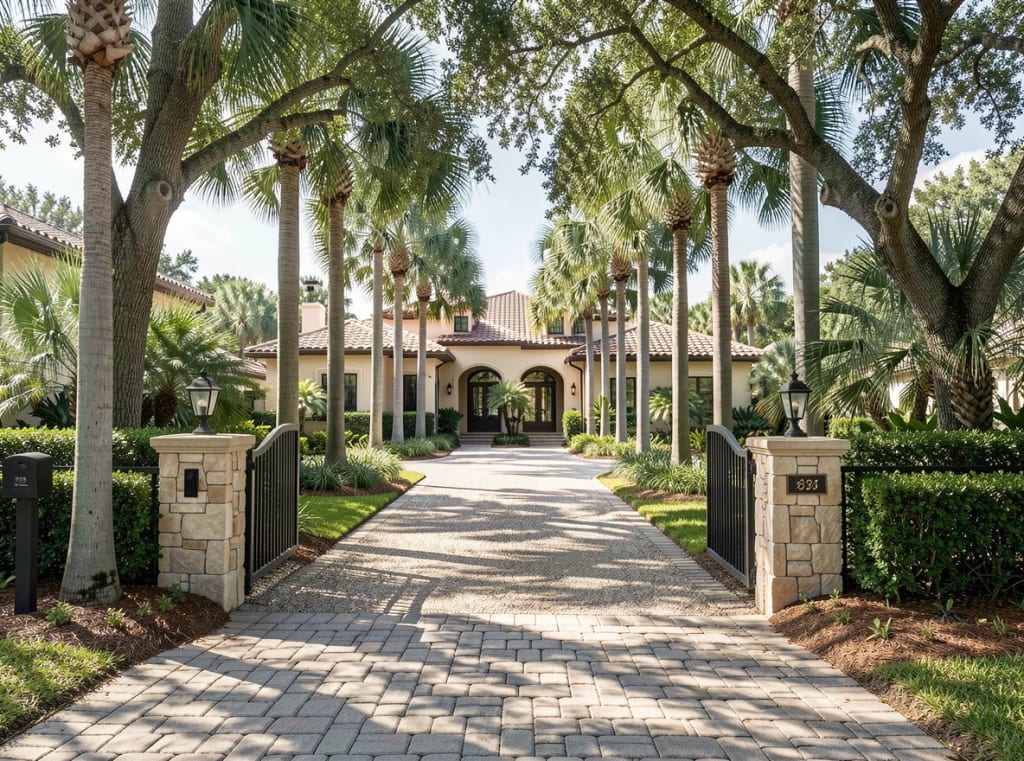
7 Boca Raton Neighborhood Clues First-Time Buyers Miss Before Touring
7 Boca Raton Neighborhood Clues First-Time Buyers Miss Before Touring
House hunting in Boca Raton can feel deceptively simple at first. The photos are polished, the palms are perfect, and many communities seem equally appealing on a quick scroll. But first-time buyers often discover that the real difference between a smart purchase and a frustrating one is hidden in the neighborhood details they didn’t think to notice before they booked a tour.
That is where a more observant approach pays off. In a market with gated enclaves, golf-oriented communities, waterfront pockets, newer townhome clusters, and established residential streets, the setting around the home matters just as much as the finishes inside it. Before stepping through the front door, savvy buyers should be reading the rhythm of the block, the condition of shared spaces, and the lifestyle signals that reveal how a community actually lives day to day.
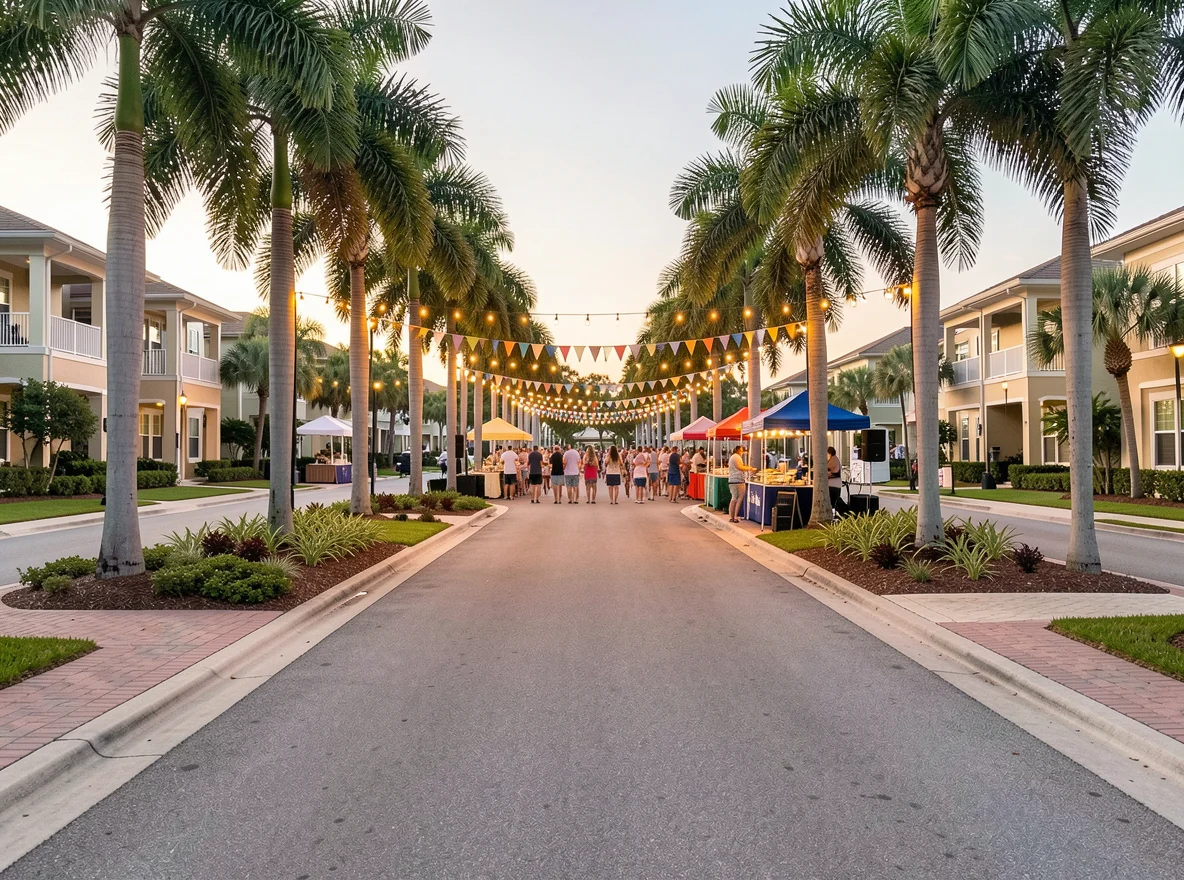
First clue: pay attention to the arrival experience. The first minute after entering a neighborhood tells you a lot. Are the medians maintained? Do entry features look freshly cared for or a little tired? Is there consistent landscaping, clean pavement, and lighting that feels intentional? In Boca Raton, where community presentation is often a point of pride, deferred maintenance at the entrance can hint at broader issues, including inconsistent association management or rising future costs to catch up on repairs.
Second clue: watch the parking pattern. First-time buyers often focus on square footage and overlook how a neighborhood handles daily life. Streets lined with overflow vehicles, garages used entirely for storage, or guest parking that is always packed can point to a community that feels tighter in practice than it looked on paper. This matters especially in townhome developments and planned communities, where convenience and traffic flow shape the experience of living there far more than a staged listing ever will.
Third clue: study the age of the surrounding homes, not just the one you like. A renovated kitchen may be beautiful, but if most homes nearby still have aging roofs, older windows, or dated exterior systems, that can affect future value, insurance conversations, and the overall visual consistency of the street. In Boca Raton, buyers should think beyond cosmetics and ask whether the surrounding inventory suggests a neighborhood that is steadily improving, plateauing, or waiting for a wave of necessary upgrades.
What the Block Reveals About Daily Lifestyle
The best neighborhoods are not just attractive; they function well. A first-time buyer should take note of sidewalks, shade, traffic speed, and whether the community feels walkable or insular. Some Boca Raton areas offer a polished, resort-like atmosphere with carefully planned common spaces, while others feel more relaxed and residential. Neither is automatically better, but the right fit depends on whether you want quiet evenings, active recreation, easy commuting, or proximity to schools and everyday conveniences.
Fourth clue: listen for noise before you tour. Stand outside the home for a few minutes before your appointment starts. Can you hear major roadway traffic, frequent landscaping crews, nearby construction, or constant gate activity? In South Florida, where major corridors and high-activity communities can be close together, sound carries differently than many buyers expect. A peaceful-looking street at noon may feel very different during school pickup, commuter hours, or weekend social traffic.
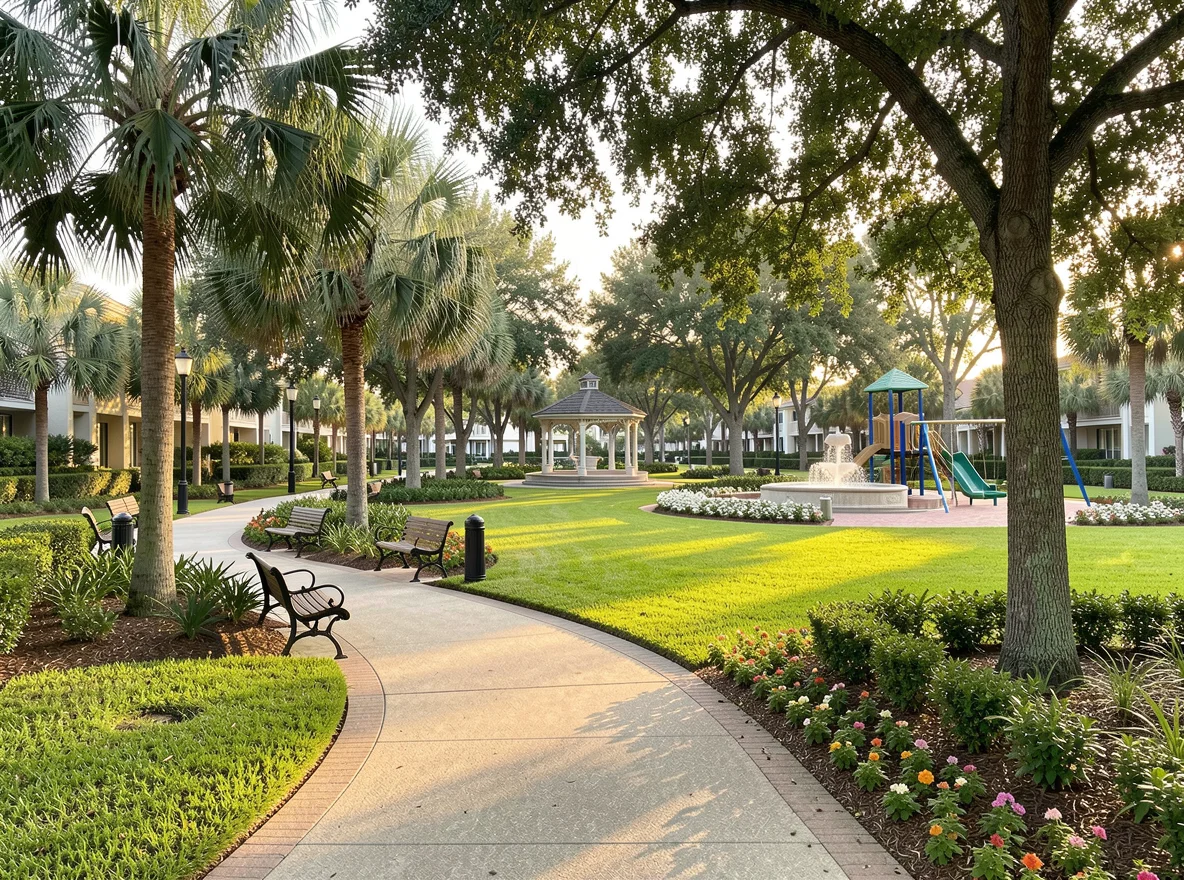
Fifth clue: evaluate how the shared spaces are actually used. A neighborhood green, pool area, or walking path can tell you more than any brochure. If common areas feel inviting, clean, and actively cared for, that usually reflects stronger community standards. If they look underused or neglected, it may suggest weaker engagement or uneven oversight. For buyers thinking long term, these details affect not only enjoyment but also resale appeal when it is time to move up or relocate.
Sixth clue: map your real routine, not your ideal one. Boca Raton offers excellent access to beaches, golf, parks, dining, and shopping corridors, but your home base needs to work on ordinary Tuesdays too. Consider the drive to work, school options, grocery stops, fitness routines, and how quickly you can reach the activities that matter most. A neighborhood that looks glamorous but adds friction to everyday life can lose its charm surprisingly fast. That is why experienced local guidance matters: a boutique team with deep South Florida knowledge can help buyers compare not just addresses, but the lived feel of each pocket.
For families, school alignment and after-school logistics may shape the decision more than design finishes. For professionals, commute simplicity and low-maintenance living may take priority. For retirees or second-home buyers, quiet surroundings and easy access to recreation may lead the list. The point is to match the neighborhood to your actual rhythm rather than assuming every Boca Raton zip code delivers the same lifestyle.
The Financial Clues Buyers Often Overlook
Seventh clue: look for signs of future costs hiding in plain sight. First-time buyers are often so focused on mortgage numbers that they miss the neighborhood indicators of upcoming expenses. In Boca Raton, that could include aging community infrastructure, extensive landscaping obligations, older exterior materials exposed to coastal weather, or association-heavy amenities that look attractive today but may increase fees over time. Touring with a sharp eye means asking not only “Do I like it?” but also “What will it take to maintain this standard?”
It also helps to compare the neighborhood’s presentation with its price point. If a community commands a premium, the consistency should be visible in curb appeal, upkeep, lighting, and resident pride. If the prices are compelling but the surrounding condition is mixed, that may still be a good opportunity, but only if you understand the trade-offs. In some cases, buyers find excellent value in neighborhoods that are quietly strengthening. In others, a bargain price reflects issues that will continue to drag on comfort and appreciation.
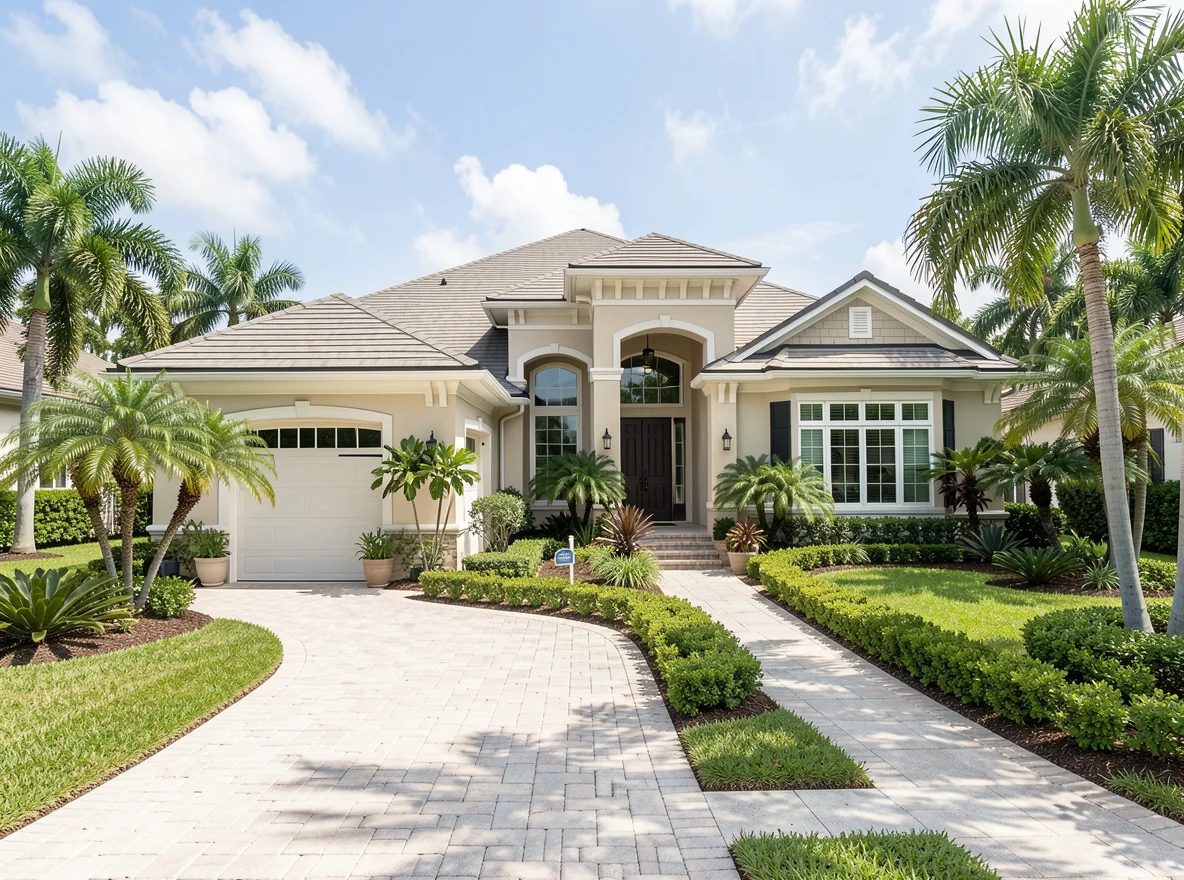
Buyers should also notice how quickly homes turn over and whether neighboring properties appear owner-occupied or more transient. Stable ownership patterns often contribute to stronger maintenance habits and a more settled atmosphere. That does not mean every high-turnover area is a problem, but it does mean the texture of the neighborhood may be different from what a first-time buyer expects after seeing listing photos alone.
Another commonly missed factor is how a neighborhood balances privacy with community. Some Boca Raton buyers want lush separation, quiet streets, and a tucked-away feel. Others want easier social interaction, nearby amenities, and visible activity. There is no universal answer, which is why touring should begin with neighborhood clues instead of ending there. The home may be lovely, but if the surrounding environment doesn’t support your priorities, the match is incomplete.
Why These Clues Matter Before You Fall in Love With a House
First-time buyers tend to remember the dramatic details: double-height ceilings, polished kitchens, sparkling pools, or updated primary baths. Yet the smartest decisions are often made outside, on the drive in, at the curb, and along the sidewalks. In Boca Raton, where presentation can be exceptionally strong, subtle differences between neighborhoods can shape everything from peace of mind to resale potential.
Taking time to notice these seven clues before touring can help you buy with more confidence and less emotion. It turns a showing from a simple walkthrough into a real evaluation of lifestyle, value, and fit. With thoughtful local guidance and a clear sense of what daily life should feel like, first-time buyers can move beyond surface beauty and find a Boca Raton neighborhood that truly works for the long run.